
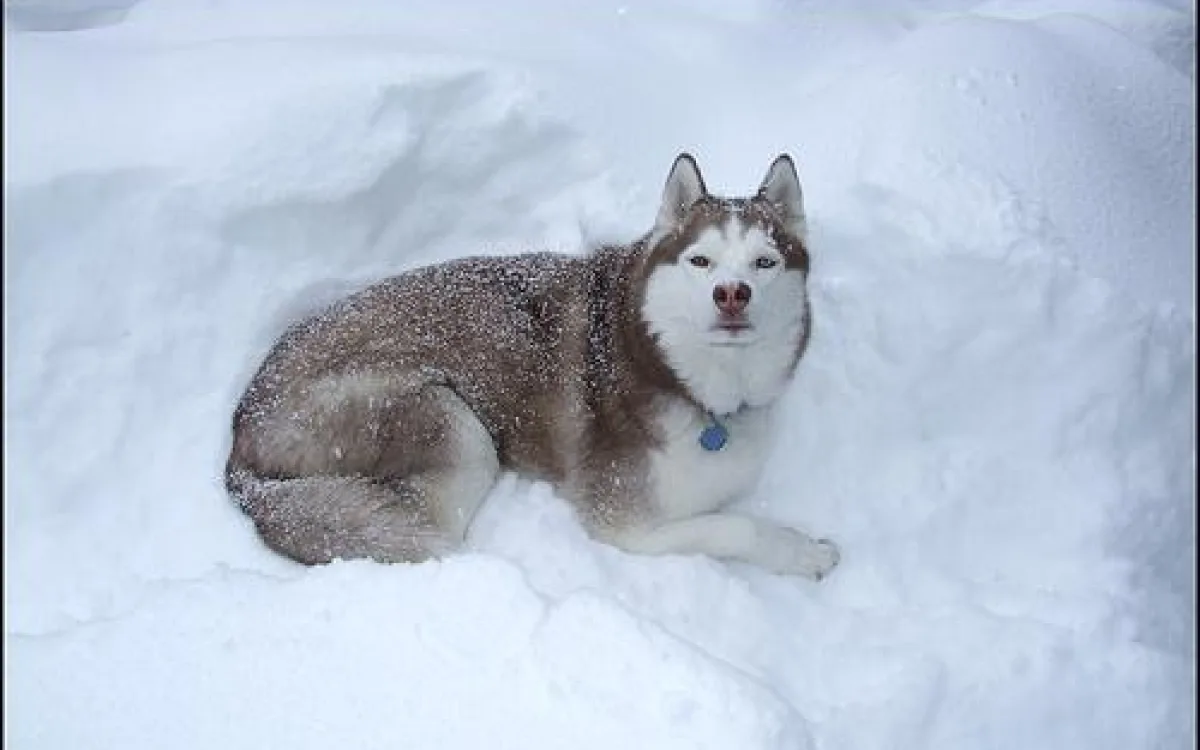
Most incidents between children and dogs are predictable and preventable. What to teach your children, and what to watch for in your dog.
A dog who is good with children is a wonderful thing. It is also not a permanent state that requires no maintenance.
Teach children the greeting
Children should learn to let a dog come to them, to stroke the chest or shoulder rather than reaching over the head, and to stop when the dog moves away. Hugging is the single most common trigger for a warning snap, because it traps a dog who wants to leave.
Learn the early signals
Dogs almost always warn before they react. Look for:
- Turning the head away or licking the lips.
- Showing the whites of the eyes.
- Yawning when they are not tired.
- Freezing, going still and quiet.
These come long before a growl. If you respond to them, you rarely reach the growl at all.
Never punish a growl
A growl is information. A dog punished for growling may skip the warning next time. Thank them for the signal by removing whatever is causing it.
Practical house rules
- The dog's bed is never disturbed, by anyone.
- Nobody approaches while they are eating or chewing.
- Small children and dogs are supervised, always.
- Everyone learns to spot when the dog wants to be left alone.